




- Monday 9:00AM - 4:00PM
- Tuesday 9:00AM - 4:00PM
- Wednesday 9:00AM - 4:00PM
- Thursday 9:00AM - 4:00PM
- Friday 9:00AM - 4:00PM
- Saturday Open by appointment only
- Sunday Closed
Travel Vans in Canada: Class B and Van-Based Motorhomes Explained
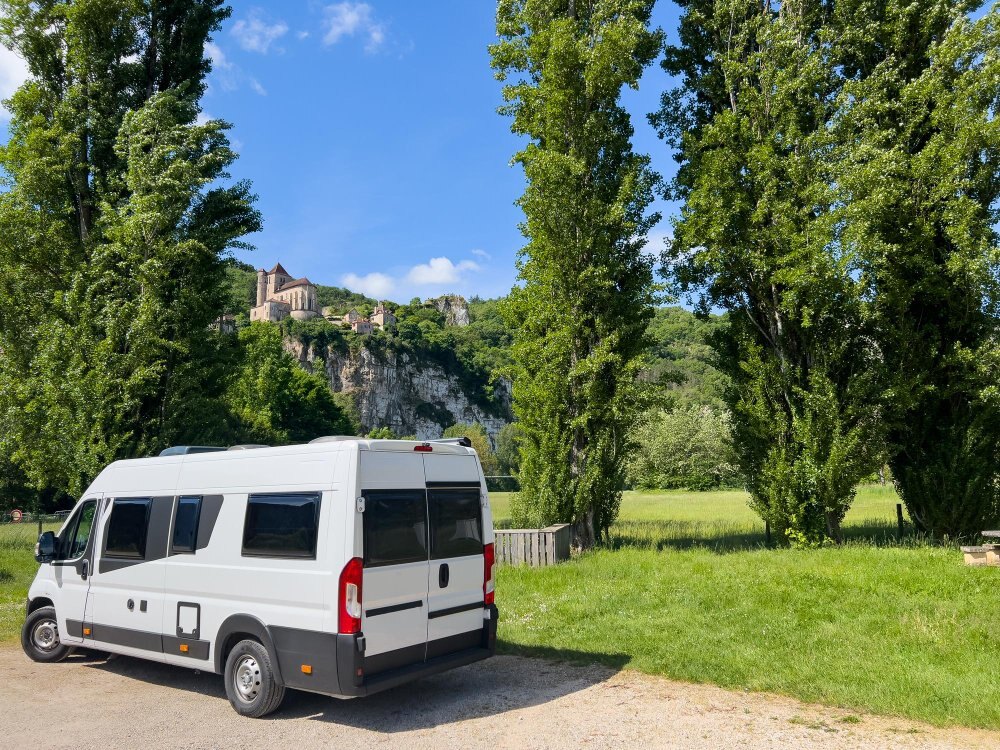
A travel van is a motorhome built on a van chassis, compact enough to drive and park like a large van while still offering a place to sleep, cook, and store gear. In Canada, the term covers Class B camper vans and also van-based motorhomes that sit slightly larger.
Both appeal to buyers who want an easier drive, simpler parking and less to maintain than a full-size motorhome. The trade-off is space, so the right choice depends on how many people travel, how long you stay, and what you want to carry.
Class B Camper Van vs Van-Based Class C
|
Factor |
Class B Camper Van |
Van-Based Class C |
|
Body |
Van body, often with a raised roof or pop-top |
Van chassis with a larger purpose-built living body |
|
Size |
Generally the most compact option |
More living and storage space |
|
Driving and parking |
Closest to driving a large van |
Larger than a van but still compact for a motorhome |
|
Sleeping and living space |
Efficient layouts; space is limited |
More room to spread out and store gear |
|
Best suited to |
Solo travelers or couples who value compact size |
Couples or small groups who want extra space |
Labels vary by manufacturer. Coachmen, for example, classifies its Cross Trail models as Class C even though they are built on a van chassis. Compare the floorplan, size, and features of the actual unit rather than relying on the class name alone.
What Does a Travel Van Usually Include?
Layouts differ from model to model, but most travel vans are designed to pack the essentials into a small footprint.
- A sleeping area, which may be a fixed bed, a convertible sofa, or a pop-top
- A compact kitchen with a cooktop and refrigerator
- A bathroom, though size and style vary by layout
- A power system, often with a house battery and inverter
- Fresh, gray, and black water tanks sized for the unit
- Storage built into the layout or accessible from the exterior
Always check the specific floorplan. Two vans of similar length can use their space very differently.
Who Travel Vans Suit
Many shoppers reach this point while thinking about a move from van to RV, and a travel van is often the most natural step.
- Solo travelers and couples
- Weekend and shorter-trip campers
- Owners who want an RV that is easier to drive and park than a large motorhome
- Buyers with limited storage or driveway space
- Travelers who prefer a compact setup over maximum living room
Who Might Prefer Something Larger
- Families who need more sleeping space
- Owners planning long stays who want more room to move around
- Buyers who carry a lot of gear or equipment
- Anyone who wants a full-size kitchen or bathroom
If you are weighing a travel van against a bigger motorhome, size is usually the deciding factor. A larger unit gives you room, while a van gives you convenience.
What to Compare When Choosing a Camper Van
- Overall length, width, and height, including how it fits your driveway or storage
- Chassis and drivetrain, such as Ford Transit or Mercedes-Benz Sprinter
- Whether All Wheel Drive is standard, optional, or unavailable
- Power system, including battery size and inverter capacity
- Fresh, gray, and black water tank capacities
- Sleeping capacity and bed layout
- Bathroom layout and storage
- Heating, insulation and cold-weather features
- Towing capacity if you plan to pull a trailer or carry bikes
- Service access for the chassis and the living area
Travel Vans and Ontario Conditions
Ontario adds a few considerations that shoppers in warmer regions do not always face. Winter roads, cold nights, and long stretches of highway driving all affect which van suits you best, whether you plan to use it as a camping van for weekends or for longer trips.
- Drivetrain: All Wheel Drive can add confidence on wet or wintry roads, so check whether it is standard or optional
- Cold-weather features: look for heated tank protection and a furnace that suits the size of the living space
- Storage and winterization: a compact RV still needs proper winter preparation if you stop using the water system
- Seasonal use: a van that works well from spring to fall is not automatically built for deep winter camping
What Motor Home Travel Carries
Motor Home Travel carries the new 2025 Coachmen Cross Trail, which is available on both Ford Transit and Mercedes-Benz Sprinter van chassis. Coachmen classifies these as Class C motorhomes. The Cross Trail 21XG is built on a Ford Transit chassis with a 3.5L EcoBoost engine and All Wheel Drive. It measures 24 ft 2 in long and includes a 3,600W inverter with a 416 Amp/hr lithium battery, a 12V refrigerator, an induction cooktop, and an 11,000 BTU air conditioner. Sprinter-chassis Cross Trail models use a Mercedes-Benz four-cylinder diesel with a 9G-TRONIC automatic transmission.
For a true Class B, Motor Home Travel also has a pre-owned 2024 Jayco Swift 20D. It is built on the RAM ProMaster 3500 chassis with a 3.6L Pentastar V6, runs just under 21 feet long, and sleeps up to four with a rear full-size bed and a pop-top sleeping area. It includes a wet bath, a full galley, and no slide-outs.
Features and options on new units can change with material availability, so confirm the details of the exact unit with our team before you decide.
Common Mistakes When Buying a Travel Van
Choosing by size alone
A smaller van is easier to drive, but it may not suit the way you actually travel. Think about sleeping space, storage, and how long your trips usually last.
Ignoring storage and payload
Compact RVs can run out of room and cargo capacity quickly. Check how much gear the unit can carry and where it goes.
Overlooking cold-weather needs
A van that handles summer well may not be set up for Ontario winters. Ask about heating, tank protection, and drivetrain options.
Relying on the class label
Class B and Class C are useful categories, but they do not tell you everything. Compare the real specifications and layout.
Not walking through the layout in person
Photos can hide how tight a space feels. Step inside, test the bed, the kitchen, and the bathroom before you commit.
Questions to Ask Before Buying Camper Vans for Sale
- What chassis is it built on, and what drivetrain options are available?
- How is the unit classified by the manufacturer?
- What are the fresh, gray, and black tank capacities?
- What power system does it include, and what are its limits?
- How many people can it sleep comfortably?
- What cold-weather features does it have?
- What is the towing capacity, and is a hitch included?
- What does the warranty cover?
- Can I see and walk through the actual unit?
Ready to Explore Travel Vans?
If you are comparing Class B motorhomes for sale or a camper van for sale in Canada, tell Motor Home Travel how many people will travel and how you plan to use the RV. Browse Motor Home Travel's new inventory or contact the team to talk through the options.
Important Product Note
Specifications, packages, and availability vary by model, chassis, and year and can change. Pricing is provided by Motor Home Travel on request. Always confirm the exact features, ratings and classification of the specific unit with Motor Home Travel and the manufacturer before you buy.
Frequently Asked Questions
What is a travel van?
A travel van is a motorhome built on a van chassis. It is compact enough to drive and park like a large van while including sleeping, cooking, and storage space.
What is the difference between a Class B and a Class C motorhome?
Class B motorhomes are typically built within a van body and are the most compact. Class C motorhomes are generally larger and offer more living space. Manufacturers classify models differently, so check the specific unit.
Is a Class B RV easier to drive than a larger motorhome?
Typically yes, because a Class B is closer to the size of a large van. It is generally easier to park and maneuver, though it still needs extra care compared with a regular vehicle.
Are camper vans suitable for Ontario winters?
It depends on the unit. Look at the drivetrain, heating, tank protection, and insulation, and confirm the cold-weather features on the actual van rather than assuming.
Can a travel van sleep a family?
Some can sleep several people, but space is limited. Larger van-based motorhomes usually offer more sleeping room than a compact Class B.
Does Motor Home Travel sell Class B motorhomes?
Yes. Motor Home Travel has a pre-owned 2024 Jayco Swift 20D Class B camper van. It also carries the new Coachmen Cross Trail, a van-based motorhome classified as Class C.
Do travel vans have a bathroom?
Many include a bathroom, but the size and style vary by layout. Check the floorplan to see what the unit offers.
What should I look for in camper vans for sale?
Compare size, chassis, drivetrain, power system, water tank capacities, sleeping layout, cold-weather features, and towing capacity, then walk through the actual unit.
Can I tow with a travel van?
Some models come with a hitch and a rated towing capacity, but ratings differ by chassis and configuration. Confirm the towing capacity for the exact unit before you plan to tow.
How much does a camper van cost in Canada?
Pricing varies widely by chassis, size, features, and condition. Contact Motor Home Travel for current pricing on the units you are considering.
Category Name
Blogs
Manufacturer Qty
0