




- Monday 9:00AM - 4:00PM
- Tuesday 9:00AM - 4:00PM
- Wednesday 9:00AM - 4:00PM
- Thursday 9:00AM - 4:00PM
- Friday 9:00AM - 4:00PM
- Saturday Open by appointment only
- Sunday Closed
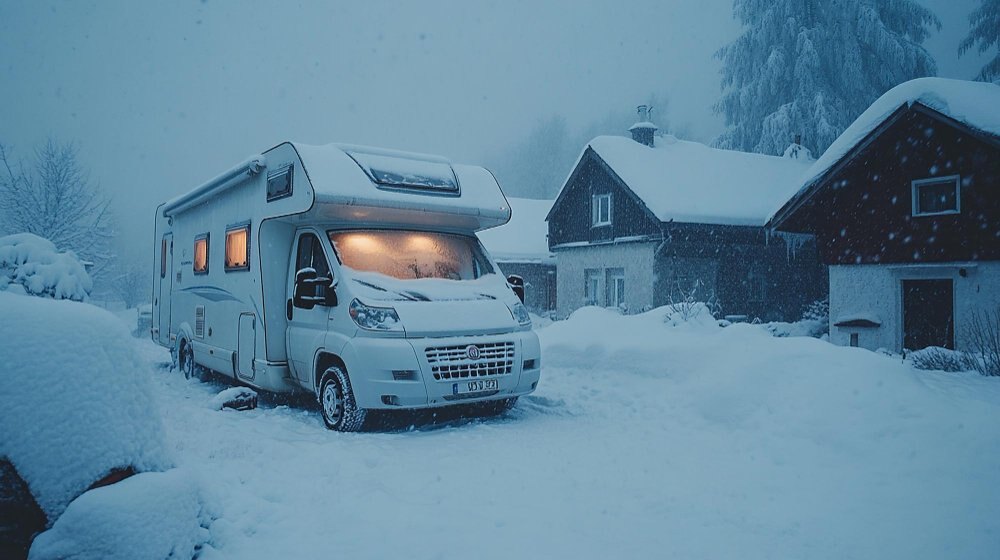
How to Winterize an RV in Ontario: Step-by-Step Guide
Learning how to winterize an RV is one of the most valuable jobs an Ontario owner can do before winter arrives. Water left in the plumbing lines, tanks, or fittings can freeze, expand, and crack components, and the damage often stays hidden until spring.
If you have ever asked yourself How do I winterize my RV, the process comes down to a few clear steps: drain the water system, bypass the water heater, protect the lines and drains with RV-specific antifreeze, and check your work. This guide walks through each one.
Which Winterizing Method Should You Use?
|
Method |
How It Works |
Things to Know |
|
Antifreeze with the water pump |
RV antifreeze is pumped through the lines until it reaches every outlet |
The most common method for RVs with a water pump |
|
Compressed air blow-out |
Low-pressure air pushes water out of the lines |
Needs a regulator and careful pressure control |
|
Both together |
Blow out the lines, then add antifreeze |
Some owners use both for extra confidence |
The right method depends on your RV and its manufacturer's instructions. Check your owner's manual first, especially if your RV has a tankless water heater or other equipment that changes the drain procedure.
What You Need Before You Start
- RV-specific, non-toxic antifreeze (often sold as an RV winterizer) in enough quantity for your system
- A water pump converter kit or a hose to draw antifreeze into the pump
- A water heater bypass kit if your RV does not already have one
- A wrench or socket for the water heater drain plug or anode rod where fitted
- An air compressor with a pressure regulator if you plan to blow out the lines
- A hose or container to catch drained water
- Your RV owner's manual
Buy a little more antifreeze than you think you need. Running short halfway through is a common reason people skip a line.
Step-by-Step: How to Winterize an RV
These steps cover the typical process. Follow your manufacturer's instructions where they differ.
Step 1: Drain the water heater
Turn off the water heater and let it cool completely. Open the pressure relief valve to release pressure, then remove the drain plug or anode rod where your model has one and let the tank empty. Never drain a hot or pressurized water heater.
Step 2: Drain the fresh water tank and open the low-point drains
Empty the fresh water tank and open the low-point drains for both the hot and cold lines. Turn on the water pump briefly to clear water from the pump, then switch it off. Open every faucet, including the shower and any outdoor shower, and flush the toilet to move water out of the lines.
Step 3: Bypass the water heater
Set the bypass valves so antifreeze flows around the water heater instead of filling it. This saves antifreeze and keeps the tank empty. A missed bypass is one of the most common winterizing mistakes.
Step 4: Blow out the lines (optional)
If you choose to use compressed air, set the regulator to low pressure, around 30 psi or the limit in your manual, and push air through the lines one outlet at a time. Too much pressure can damage fittings and lines.
Step 5: Add antifreeze to the water lines
Connect the pump converter kit or intake hose to the antifreeze, close the low-point drains and run the pump. Open each faucet one at a time, hot and cold, until pink antifreeze comes through. Work through the kitchen, bathroom, shower, and outdoor shower, and flush the toilet until antifreeze appears.
Step 6: Protect the drains and toilet
Pour a small amount of antifreeze, about a cup, into each drain so the traps stay protected, and leave some in the toilet bowl. Drain and flush the gray and black tanks at a dump station before storage.
Step 7: Handle filters and outside connections
Remove any inline water filter cartridge and bypass or drain the housing. Disconnect the hose from the city water inlet, check any exterior connections, and do not forget extras such as an ice maker line or a washer hookup if your RV has them.
Step 8: Check your work
Run each faucet briefly and confirm antifreeze comes through evenly. Close the low-point drains, switch off the pump, and make sure the water heater bypass is set correctly. If you are unsure about any step, have a technician check the system.
Other Jobs to Complete Before Storage
- Disconnect the house batteries or connect a maintainer
- Turn off the propane supply at the tank
- Clean the refrigerator and prop the doors open
- Remove food and use moisture control inside the RV
- Inspect the roof and seals for visible gaps or cracks
- Check tire condition and plan how the RV will be parked for winter
Our RV winter storage tips cover these storage steps in more detail.
When to Winterize an RV in Ontario
Winterize after your final trip of the season and before sustained freezing temperatures arrive. In Ontario, that window typically falls between late October and November, depending on the year and your location.
Waiting for the forecast to turn cold leaves little room for mistakes or scheduling. It is safer to finish winterizing a little early than to be caught by an early freeze.
Common Winterizing Mistakes
Using the wrong antifreeze
Use only RV-specific, non-toxic antifreeze made for potable water systems. Do not use automotive antifreeze.
Forgetting the water heater bypass
Without the bypass, antifreeze can fill the water heater tank, and the lines may not receive the protection you intended.
Not fully draining the system first
Water left in the system dilutes the antifreeze and weakens the protection.
Skipping the outdoor shower or ice maker
These connections are easy to forget but remain part of the water system.
Using too much air pressure
High pressure can damage lines and fittings. Stay within your manufacturer's limit.
Not checking the result
Run every outlet and confirm antifreeze reaches it before you close up.
When to Have a Professional Winterize Your RV
- You are winterizing the RV for the first time
- The plumbing has several branches, an ice maker, or a washer
- You are unsure where the low-point drains or bypass valves are
- You want a technician to look for issues while preparing the RV for storage
- You would rather not handle antifreeze and air pressure yourself
Motor Home Travel's plumbing system maintenance and repairs service covers the water system, and winterization is among the services you can request.
Ready to Winterize Your RV?
If you would rather leave it to a technician, book a service appointment with Motor Home Travel before the first hard freeze, or contact the team with questions about your RV.
Important Safety Note
Always follow your RV manufacturer's winterization instructions for your specific unit. Use only RV-specific, non-toxic antifreeze intended for potable water systems, and never drain a hot or pressurized water heater.
Frequently Asked Questions
How do I winterize an RV?
Drain the water heater, fresh tank, and lines, bypass the water heater, add RV-specific antifreeze through the lines and drains, then check every outlet. Follow your manufacturer's instructions for your unit.
How do you winterize your RV step by step?
Drain the water heater, drain the fresh tank and open the low-point drains, bypass the water heater, optionally blow out the lines, add antifreeze, protect the drains and toilet, handle filters and outside connections, then check your work.
How much antifreeze do I need to winterize an RV?
It depends on the plumbing layout and the method. Most RVs need a few gallons, so buy extra to avoid running short.
Can I use regular antifreeze to winterize my RV?
No. Use only RV-specific, non-toxic antifreeze made for potable water systems. Automotive antifreeze is not suitable.
What is an RV winterizer?
An RV winterizer is RV-specific antifreeze used to protect the water system from freezing. It is non-toxic and made for drinking water systems.
When should I winterize my RV in Ontario?
After your final trip of the season and before sustained freezing temperatures arrive. In Ontario that is typically between late October and November.
Should I blow out the lines or use antifreeze?
Many owners use antifreeze with the water pump. Others blow out the lines with low-pressure air, and some use both. Follow your manufacturer's guidance.
Do I still need to winterize if my RV is stored indoors?
If the building reliably stays above freezing, the risk is lower. Most buildings cannot guarantee that, so winterizing is the safer choice.
How do I know my RV was winterized correctly?
Run each faucet and confirm antifreeze comes through, check that the low-point drains are closed and make sure the water heater bypass is set correctly.
Can Motor Home Travel winterize my RV?
Yes. Winterization is among the services you can request through the Motor Home Travel service appointment page.
Category Name
Blogs
Manufacturer Qty
0