




- Monday 9:00AM - 4:00PM
- Tuesday 9:00AM - 4:00PM
- Wednesday 9:00AM - 4:00PM
- Thursday 9:00AM - 4:00PM
- Friday 9:00AM - 4:00PM
- Saturday Open by appointment only
- Sunday Closed
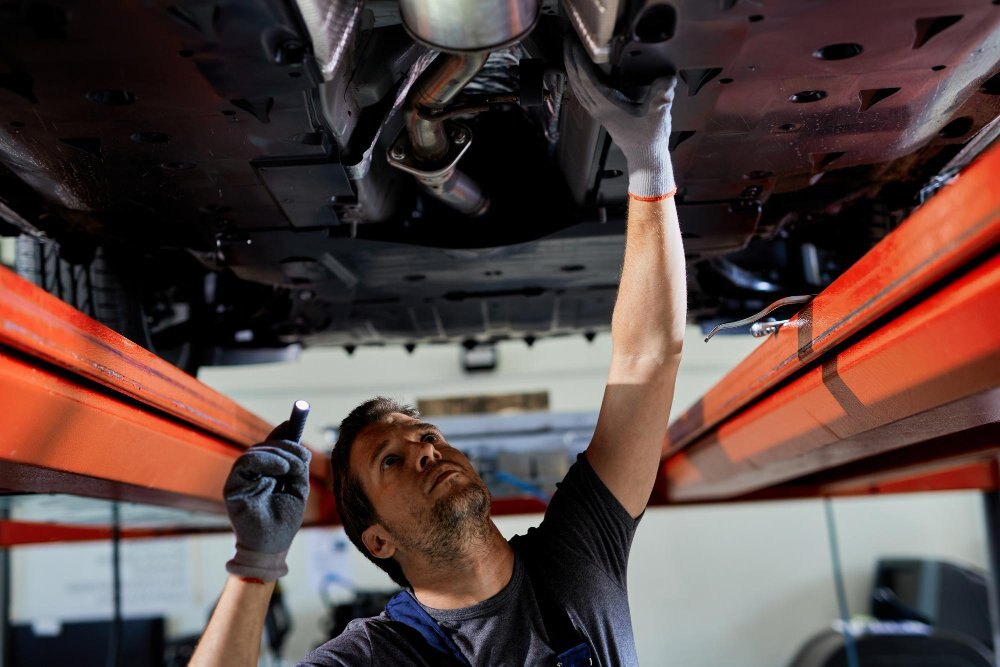
RV Maintenance: The Complete Guide to Keeping Your RV Road-Ready
Your RV gives you the freedom to travel without giving up the comforts of home. But before you head out on your next road trip, there is one thing you should never overlook that is RV maintenance.
Regular maintenance helps you catch small problems before they become expensive repairs. A worn tire, damaged roof seal, weak battery or poorly maintained air conditioner may not seem urgent today, but ignoring it can create a much bigger problem when you are hundreds of miles from home.
We recommend treating your RV maintenance routine just like you would maintain your home or vehicle. Some checks should happen before every trip, while others should be handled monthly, seasonally or annually.
Whether you own a travel trailer, fifth wheel, Class C, Class A or another type of RV, this guide will help you understand what to check and when to do it.
Why Is RV Maintenance So Important?
Your RV combines several systems into one vehicle. You have tires, brakes, electrical systems, plumbing, appliances, HVAC equipment, batteries, seals, slides and many other components working together.
That means one neglected component can affect your entire trip. Regular RV maintenance helps us identify problems before they turn into major repairs.
A structured maintenance schedule can help reduce unexpected breakdowns, protect your RV from water damage, extend the life of major components and make your trips more predictable.
Our RV Maintenance Checklist
You do not need to inspect every component every time you use your RV. Instead, we recommend breaking your maintenance routine into manageable stages.
1. Check Your RV Tires
Before every trip, check tire pressure and inspect each tire for cracks, bulges, uneven wear, dry rot, cuts and other visible damage. Do not rely only on how a tire looks. Follow the tire and RV manufacturer's specifications and have repeated pressure loss or unusual vibration inspected.
2. Inspect the Roof and Exterior Seals
Water damage is one of the problems we want every RV owner to take seriously. Check the roof, windows, doors, vents, slide-outs and rooftop equipment for cracked sealant, gaps, soft spots, water stains and signs of moisture. Pay particular attention to the seal around the rooftop air conditioner.
3. Maintenance on Your RV Air Conditioner
Nobody wants to discover that the RV air conditioner is not working properly on the hottest day of a road trip. Start by checking and cleaning the air filter. Inspect the AC cover, roof seal, coils, cooling fins, vents and drain areas. If the AC is not cooling effectively, freezes up, makes unusual noises or repeatedly shuts off, schedule an inspection.
4. Check Your RV Battery and Electrical System
Before a trip, check the battery and inspect connections for corrosion or damage. Check interior and exterior lights, outlets, shore power, converter, inverter, generator and appliances. Repeated low voltage, flickering lights or unexpected shutdowns should be professionally diagnosed.
5. Inspect Brakes and Towing Components
If you tow your RV, inspect the hitch, coupler, safety chains, breakaway system, brake controller, trailer wiring and lights. For motorized RVs, brake inspection should be part of your regular motorhome maintenance. Unusual noises, vibration or reduced braking performance should be checked before travel.
6. Keep Up With Plumbing Maintenance
Inspect freshwater hoses, water pump, faucets, water heater, holding tanks, drain lines, toilet seals and exterior connections. Look for leaks, unusual odors, reduced water pressure or poor drainage. After storage, properly prepare the plumbing system before using the RV.
7. Check Your RV Appliances
Before a major trip, test the refrigerator, furnace, water heater, stove, microwave, air conditioner and generator where applicable. Finding a problem at home is much easier than discovering it after arriving at a campground.
8. Inspect Slide-Outs and Awning
Make sure slide-outs extend and retract smoothly, have intact seals and show no signs of water intrusion. Inspect the awning for tears, mold, mildew and mechanical problems. Clean it regularly and allow it to dry before storing it.
9. Maintain Your RV Generator
Do not wait until you need the generator to find out whether it works. Follow the manufacturer's service schedule and check oil, filters, fuel system, connections and unusual noises or odors.
10. Check Safety Equipment
Regularly test smoke detectors, carbon monoxide detectors and propane detectors. Check the fire extinguisher, emergency lighting and first aid supplies. Replace batteries and equipment according to manufacturer instructions.
Camper Maintenance: What Should You Check Before Every Trip?
If you have a travel trailer or camper, your pre-trip camper maintenance checklist should focus heavily on safety and towing. Check tire pressure, wheels, hitch connection, safety chains, breakaway cable, trailer lights, brake controller, propane connections, water and sewer connections, awning, slide-outs, windows, doors, roof vents, battery and exterior lights.
A five-minute walkaround can help you identify a problem before it becomes a roadside emergency.
Motorhome Maintenance: What Needs More Attention?
If you own a motorhome, your maintenance routine includes many of the same RV systems, but you also have an engine and drivetrain to maintain.
Your motorhome maintenance schedule should account for engine oil, coolant, transmission fluid, brakes, belts, hoses, battery, tires, suspension, steering, generator, HVAC, plumbing, electrical systems, roof and exterior seals.
Follow your motorhome manufacturer's recommended service intervals for engine and chassis maintenance.
How Often Should You Perform RV Maintenance?
Before every trip, check tires, wheels, lights, brakes, towing equipment, battery, fluids, propane, water connections, storage and safety equipment.
Monthly, check the battery, roof and exterior seals, slide-outs, awning, generator, AC filters, plumbing and safety detectors.
Seasonally, inspect the roof, AC, appliances, awning and tires, and complete winterization or de-winterization as needed.
Annually, consider professional inspection of brakes, HVAC, propane, electrical systems, generator, plumbing and major appliances.
Should You Search for RV Maintenance Near Me or Do It Yourself?
Some tasks are straightforward enough to handle yourself, such as checking tire pressure, cleaning an air filter, inspecting seals and testing smoke detectors.
However, brake repairs, electrical diagnostics, propane systems, HVAC problems, generator repairs, water leaks, major roof repairs and engine or drivetrain service should be handled by a qualified professional.
If you are searching for RV maintenance near me, look for a provider that works with your RV type and offers the specific service you need.
Common RV Maintenance Mistakes We See
Ignoring small roof leaks can lead to larger water damage. Skipping tire inspections can create safety problems. Waiting until a trip to test appliances can leave you without AC or refrigeration. Forgetting battery maintenance can leave you with a dead battery. Neglecting the air conditioner can affect cooling performance. Ignoring unusual noises or odors can allow small problems to become expensive repairs. Keeping a maintenance log helps you stay organized.
What Are the Signs Your RV Needs Maintenance?
Watch for water stains, musty smells, unusual electrical behavior, flickering lights, low battery voltage, AC blowing warm air, unusual generator noise, brake vibration, tire pressure loss, uneven tire wear, slow slide-outs, leaking plumbing, unusual appliance odors or difficulty starting the generator.
Do not ignore warning signs. The earlier you investigate a problem, the more options you generally have for addressing it.
Make RV Maintenance Part of Your Travel Routine
The best time to think about maintenance is before something goes wrong.
We recommend keeping a simple RV maintenance checklist with your RV documents. Mark each task as you complete it and record important service dates.
Before your next trip, check your tires, roof, seals, battery, brakes, plumbing, appliances and air conditioner. If something does not look or feel right, get it checked before you hit the road.
If you need help getting your RV ready for your next adventure, contact our RV service team and let us help you get road-ready.
Frequently Asked Questions About RV Maintenance
How often should I perform RV maintenance?
Perform basic checks before every trip, monthly inspections for key systems, seasonal maintenance as needed and annual professional inspections for major safety and mechanical components.
What is included in RV maintenance?
RV maintenance can include tire inspections, brake checks, roof and seal inspections, battery care, electrical checks, plumbing maintenance, appliance testing, air conditioner maintenance, generator service and safety equipment checks.
How do I maintain my RV air conditioner?
Start by cleaning or replacing the air filter and inspecting the AC cover, roof seal, coils and cooling fins. Follow your specific AC manufacturer's maintenance instructions.
How often should I check my RV tires?
Check tire pressure and condition before every trip. Also inspect for cracks, dry rot, bulges and uneven wear.
Is RV maintenance different for a motorhome and travel trailer?
Both require maintenance of common RV systems, while a motorhome also requires engine, transmission, chassis, steering and other vehicle-related maintenance.
Can I perform RV maintenance myself?
You can handle many basic inspections and cleaning tasks yourself. More complex work involving brakes, propane, electrical systems, HVAC, generators or major structural repairs is better handled by a qualified professional.
How do I find RV maintenance near me?
Look for a service provider that works with your RV type and offers the services you need. Ask about inspections, repairs, seasonal maintenance and technician experience.
Why is camper maintenance important before a road trip?
Regular camper maintenance can help identify tire, brake, electrical, plumbing and exterior problems before they interrupt your trip.
What should I check after storing my RV?
Inspect tires, roof, seals, battery, plumbing, appliances, generator, safety detectors and exterior for signs of moisture or pests. If the RV was winterized, properly de-winterize the water system before use.
How can I keep track of my RV maintenance?
Use a simple maintenance log to record inspections, repairs, replacements and service dates.
Category Name
Blogs
Manufacturer Qty
0