




- Monday 9:00AM - 4:00PM
- Tuesday 9:00AM - 4:00PM
- Wednesday 9:00AM - 4:00PM
- Thursday 9:00AM - 4:00PM
- Friday 9:00AM - 4:00PM
- Saturday Open by appointment only
- Sunday Closed
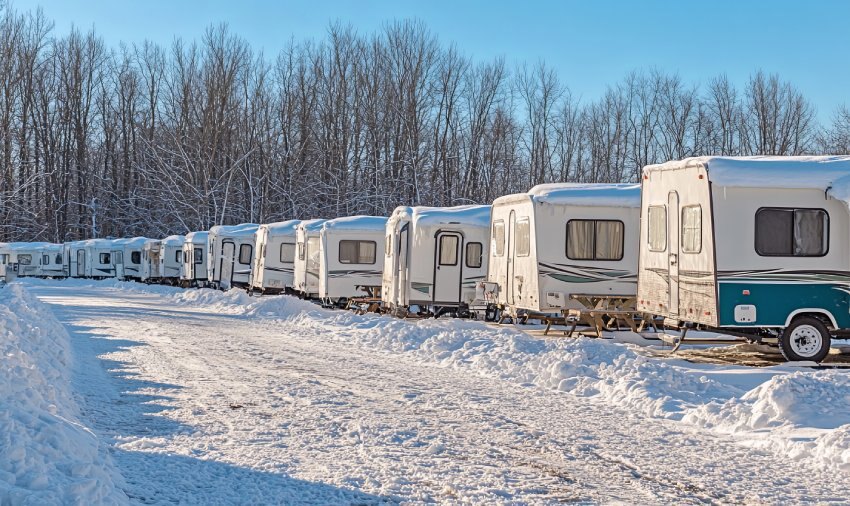
RV Winter Storage Tips: Prepare Your RV for Cold Months
Your RV should have seen plenty of use and activity during the warmer months. However, what should you do when the weather turns and roads and campsites become inhospitable for months? Motor Home Travel is here to explain how you can prepare for RV winter storage. Follow these tips to ensure that your camper is kept in pristine condition during months of disuse.
How to Prepare Your RV for Winter Storage
The first question is where you will plan to store your RV during the winter. You could park it indoors - either at a specialized winter storage facility or in your own indoor parking if you have it. If parking outdoors is your only option, you will need to keep it covered with appropriately sized tarps - one over the top of the van, one underneath. Wherever your RV parking area may be, you will need to get your van ready for the long winter. Here is how to prepare your RV for winter storage:
- Give your RV a thorough cleaning, both inside and out. Remove all food and any other consumables that will not make it through the storage period.
- Replace gaskets and sealants if necessary.
- Empty and purge all tanks, pipes and drains.
- Place pest repellents and traps in strategic positions around the RV.
- Turn off all the electricity and gas supplies. Disconnect all batteries and store them indoors.
- Close all blinds and curtains.
- Prop open all doors, including the fridge and freezer.
Outdoor vs. Indoor Winter RV Storage: Which is Best?
The question of whether to store your RV indoors or outdoors usually comes down to the resources you have at hand. You may have access to only one of these options, but if you have a choice between the two, which would be best for you? Let’s consider the pros and cons:
- Costs: Indoor storage options are generally more expensive than outdoor ones. However, it is worth balancing the short-term price of shelter against the potential long-term costs of exposure to harsh weather conditions. You may find that it is worth paying for indoor storage.
- Protection: If you are expecting extreme weather in your area in the winter months, your priority will be to protect your RV. While you can take care to cover your camper with tarps and whatever else you may have at your disposal, this obviously will not provide the kind of protection that indoor storage offers.
- Security: Indoor storage facilities are usually equipped with security measures such as 24-hour patrols and gated access. You can generally trust that your RV will be safe from both bad weather and human interference.
- Accessibility: If you need access to your RV for any reason during the winter, then outdoor storage is probably a better bet. If you keep it at an indoor storage facility, you may need to schedule access in advance and follow the facility’s rules and time limitations.
- Insurance: Your insurance provider will usually charge lower premiums if you store your RV in a secure indoor facility. However, this does not usually amount to a significant saving.
On the whole, indoor storage is the safest, but you can make outdoor storage work for you too. It depends on your resources and preferences.
Tips for Storing Your RV for Winter
Your preparations for RV winter storage can be summed up in the following ten steps:
1. Drain the plumbing system. Ensure that there is no water left sitting in any of the pipes.
2. Inspect the roof, sidewalls, seams, windows, seals and gaskets. It is a good idea to replace or repair these parts if they require it.
3. Pick the best location, whether you are opting for indoor or outdoor storage.
4. Cover your RV. Even if it is being stored indoors, there is nothing wrong with giving it a little extra protection. Tarps can work, but a custom-designed RV cover is even better.
5. Protect the tires - you can get purpose-made tire covers, and they are well worth the investment.
6. Save your batteries. Disconnect all batteries and store them indoors.
7. If there is still gas in the tank, add some fuel stabilizer to prevent oxidation and keep your fuel lines clean.
8. Proof your camper against rodents and other pests. Inspect your RV for any entrances where rats and mice could get in, and take steps to seal them up. You may also want to place some traps.
9. Inspect your RV regularly during the winter months to ensure that it remains in good condition. Check for any damages or leaks, and check the interior for any odours that might signal mould or other problems.
If you want to enjoy the RV lifestyle without any of the hassles of maintenance, such as RV winter storage, you can always rent a camper for your next vacation. Motor Home Travel offers several different models at reasonable rates. Browse through our fleet, or contact us for more information.
Category Name
Blogs
Manufacturer Qty
0